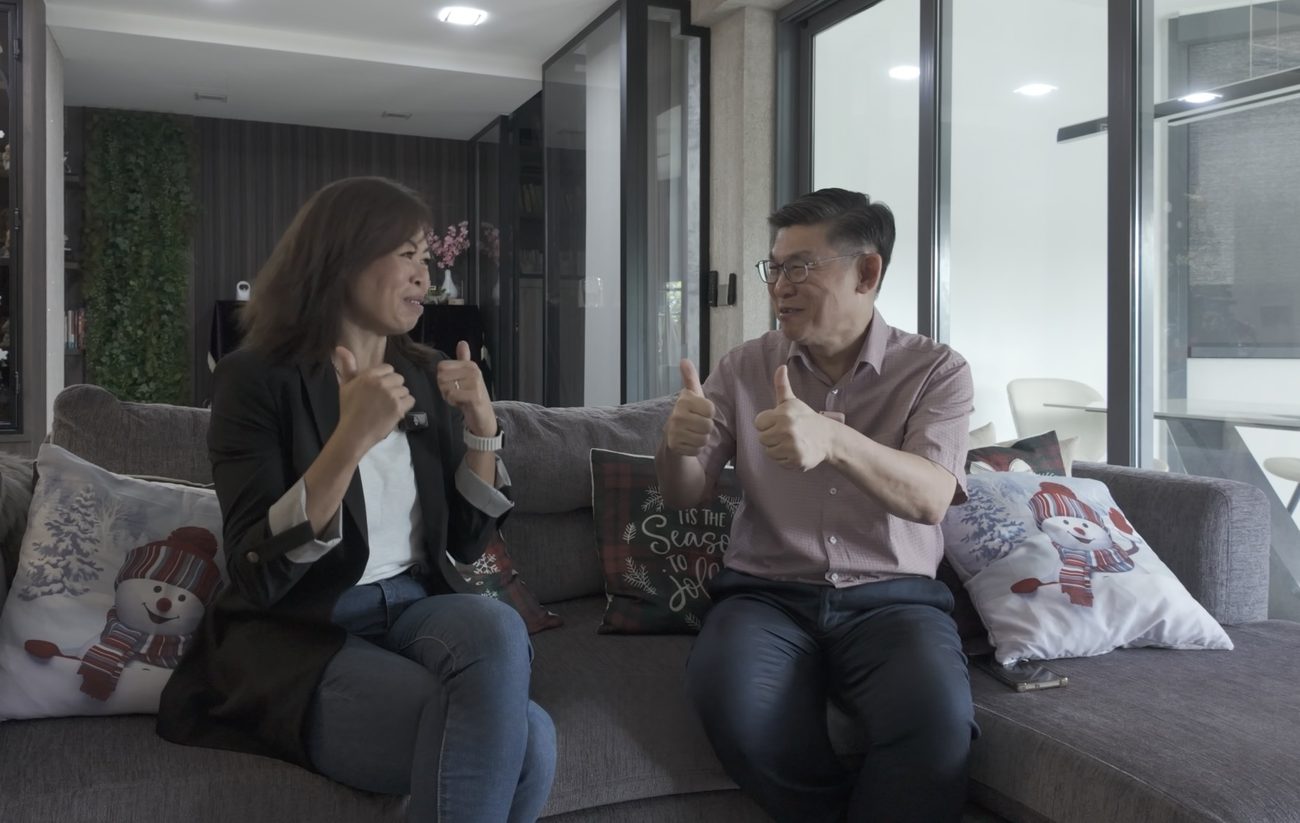

I help you avoid making the wrong property decision — not by pushing you to buy, but by giving you the clarity, structure and honest advice to move forward with confidence.
Years in Singapore property
Transactions closed
PropNex Ambassador, 2024
Most people I speak to are not lacking options. They are lacking clarity. They have three or four ideas about what to do next, a rough sense of what they can afford, and no way to tell which path actually leaves them better off in five years.
No pressure, no hard selling. Just a clear strategy that fits your situation.
That is the part I do. Before we look at a single listing, we look at your numbers — cash, CPF, loan, timeline, risk — and work out what the sensible moves actually are. Then we decide on the right move — not simply the most convenient one.
Whether you are upgrading, selling, buying your first private property or restructuring what you already own — the work starts the same way, with your numbers.
The full financial and timeline plan for moving from HDB to condo — or the other way.
New launch and resale. Shortlisted on fundamentals and exit potential, not hype.
Growth potential, rental yield and a realistic exit, on a four-to-five year horizon.
HDB and private. Positioned, marketed and negotiated to your timeline, not mine.
Sell-one-buy-two, decoupling, asset progression — planned properly, in the right order.
That is exactly what the first conversation is for. Thirty minutes, no obligation.
Most people hesitate to contact an agent because they do not know what they are signing up for. Here is the whole thing.
30 minutes, no obligation, no paperwork. We go through your finances, your timeline and the goal. I tell you the blind spots.
Affordability, cash versus CPF, loan, stamp duties, sequencing. Your options side by side, on paper, so you can compare them properly.
A curated selection, not a mass viewing schedule. Layout, stack, entry price, exit potential — assessed on site.
Securing the price, and coordinating the timeline. This is where sell-and-buy cases are won or lost.
Completion, keys, and a relationship that does not end at the commission cheque.

Situation. A couple running a construction business, budget-constrained, viewing 99-year leasehold landed properties because they assumed freehold was out of reach.
What I did. Re-ran the numbers against their business cash flow rather than their salary, which changed what was actually financeable. Then went looking off the obvious list.
Result. A freehold semi-detached, secured at a price well under what they expected to pay for leasehold. The house is being rebuilt now.
Situation. A 5-room point block in Ang Mo Kio. Similar units in the same block had been sitting unsold for months.
What I did. Repositioned the listing and priced it against what the block’s best unit could actually command, not against the stale competition.
Result. Sold within two weeks, at a price that — in the owner’s words — “till today is still unmatched”. They were first-time DIY buyers for their next home, so I walked them through that side too.
“Within 2 weeks it was sold, while other similar units in our block were still unsold after months on the market.”
“She took the initiative to get in touch with our banker and ensure the paperwork proceeded smoothly. She also accommodated our requests to meet after working hours.”
“Despite several amendments I made while working around the budgeting of my new home purchase, she would take the effort to work on the process to my needs.”
A recent client on what the process actually felt like.
It depends on four things, in this order: your cash on hand, your CPF Ordinary Account balance, the loan you qualify for under TDSR and MSR, and — if you are selling first — what your current place realistically fetches. Most people get this wrong because they estimate the loan and forget the cash component, which is the part that actually blocks deals. I will work the real number out with you in the first session, before we look at anything.
This is the single most consequential timing question in a Singapore upgrade, and there is no universal answer. Selling first is safer on financing and avoids ABSD, but you may need interim housing. Buying first is smoother to live through but exposes you to ABSD and a bridging loan if the sale is slow. Which one is right depends on your cash buffer and how confident we are about the sale price. We map both out before you commit to either.
Additional Buyer’s Stamp Duty is a tax on buying a residential property when you already own one. Singapore Citizens pay nothing on a first property, and a substantial percentage on a second — currently 20% — which is why the sequence of selling and buying matters so much. Married couples buying jointly can apply for remission if they sell the first property within the qualifying window. Rates are set by IRAS and do change, so we always confirm against the current schedule before planning around them.
The Minimum Occupation Period is how long you must live in an HDB flat before you can sell it on the open market — five years for most flats, counted from key collection, and ten years for Prime Location Public Housing. Planning an upgrade means working backwards from your MOP date, because everything else — the sale, the purchase, the loan, the ABSD position — hangs off it.
Decoupling means transferring one spouse’s share of a jointly-owned property to the other, so that one of you becomes a first-time buyer again for ABSD purposes. Sell-one-buy-two means selling your existing property and buying two — typically one to live in, one to hold. Both can work very well and both can go badly wrong if the numbers or the sequence are off. They are only appropriate for a specific profile, and part of my job is telling you when you are not that profile.
From listing to completion, expect around three to four months in a normal market, of which the marketing period is the variable part. Well-priced flats in good blocks move in weeks. Overpriced ones sit, go stale, and eventually sell for less than they would have on day one. The pricing decision at the start determines almost everything that follows.
There is no regulated rate — commission is negotiable and depends on the transaction type and what the work actually involves. For HDB sales it is commonly around 2% of the sale price; private resale sellers typically pay similar. Buyers of private resale property usually do not pay commission at all. I will tell you exactly what applies to your case in the first conversation, in writing, before you engage me.
Whatever you took out of your CPF Ordinary Account for the property has to go back in when you sell, along with the accrued interest it would have earned had it stayed there. That accrued interest surprises people, and it is why the cash proceeds from a sale are often smaller than expected. We calculate it properly at the start so the upgrade plan is built on a real figure, not a hopeful one.
No. The first session is a conversation, not a contract. If the honest answer is that you should stay put for another two years, I will tell you that — I would rather be the person you call in two years than the person who pushed you into a bad move today.
One conversation, thirty minutes, no obligation. You will leave knowing your real numbers and your realistic choices — whether or not you ever work with me.